Perhaps it is simply naïveté on my part, but I am still astonished, especially in an age when communication can sometimes travel faster than lightning, that small groups of individuals manage to circumvent the many layers of our social, institutional and governmental structures to find ways of taking possession of property that would otherwise seem beyond their reach.
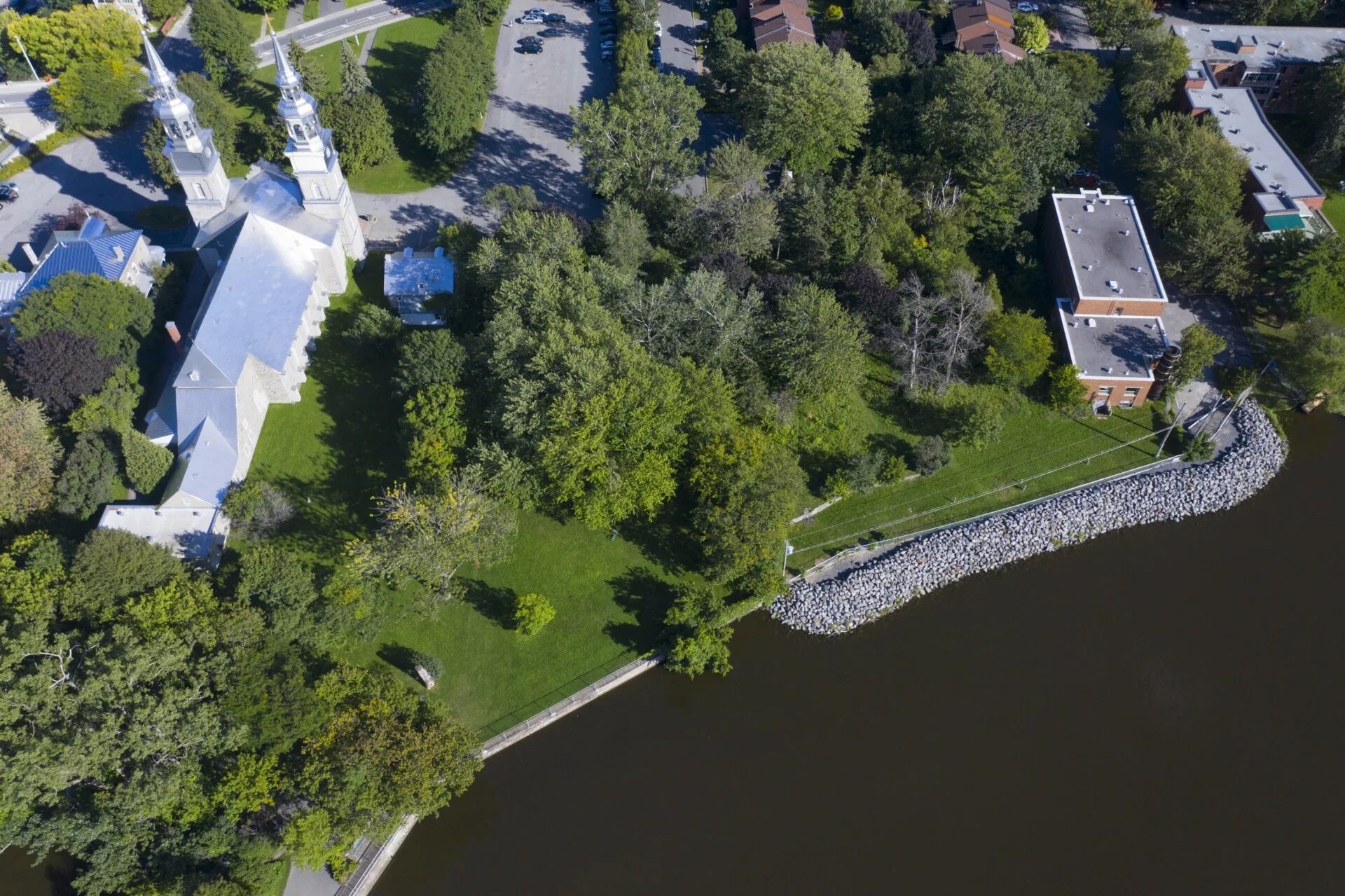
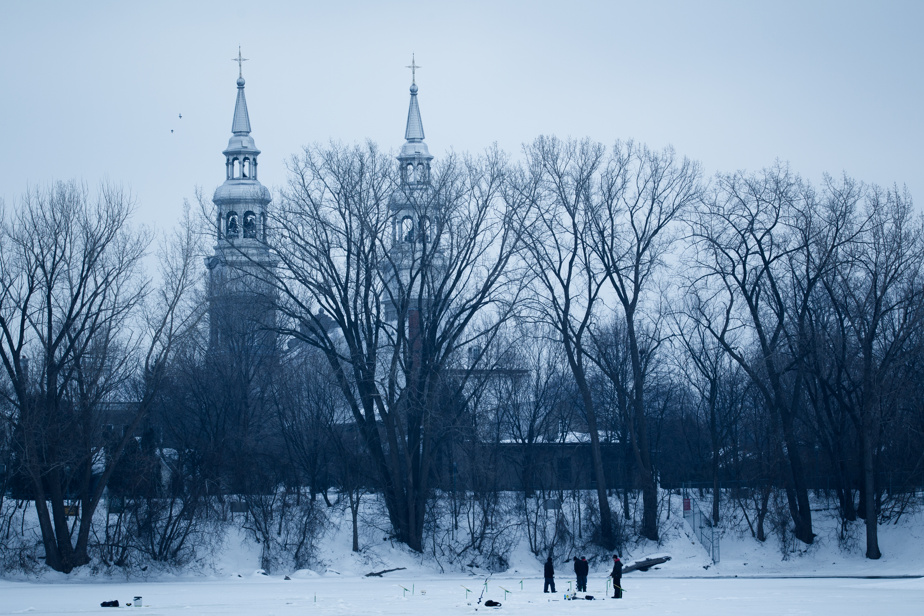
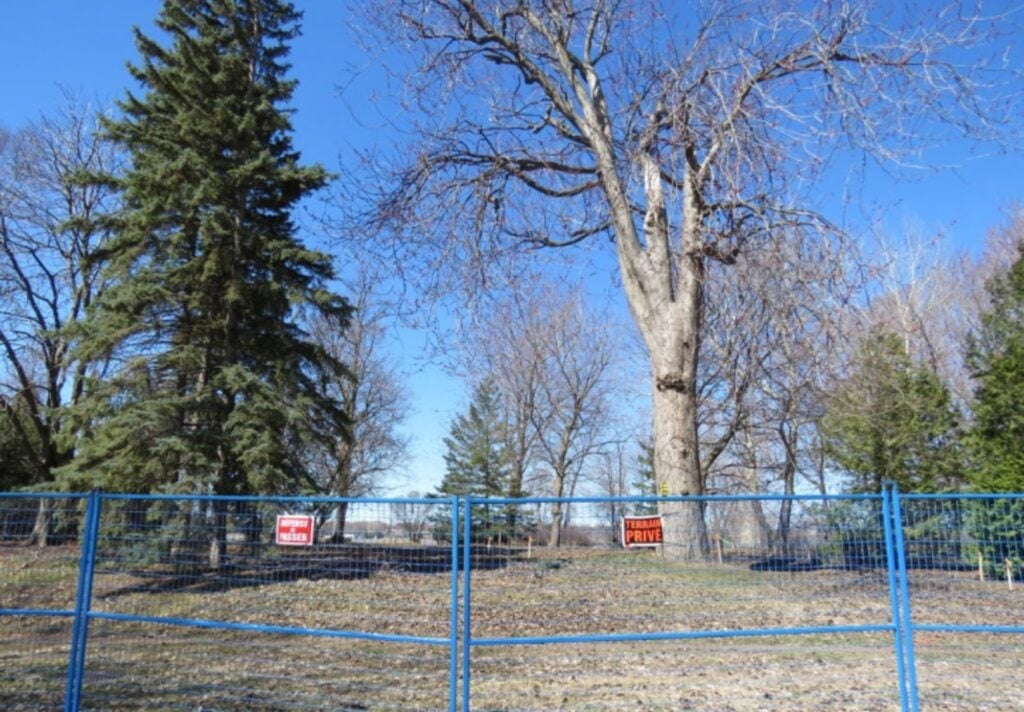
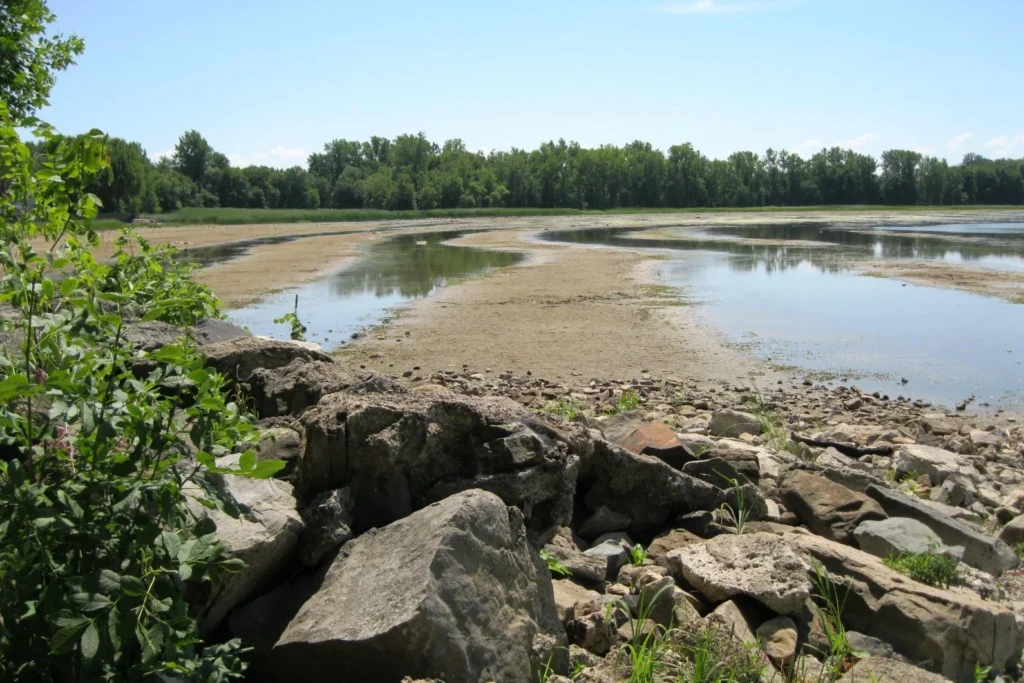
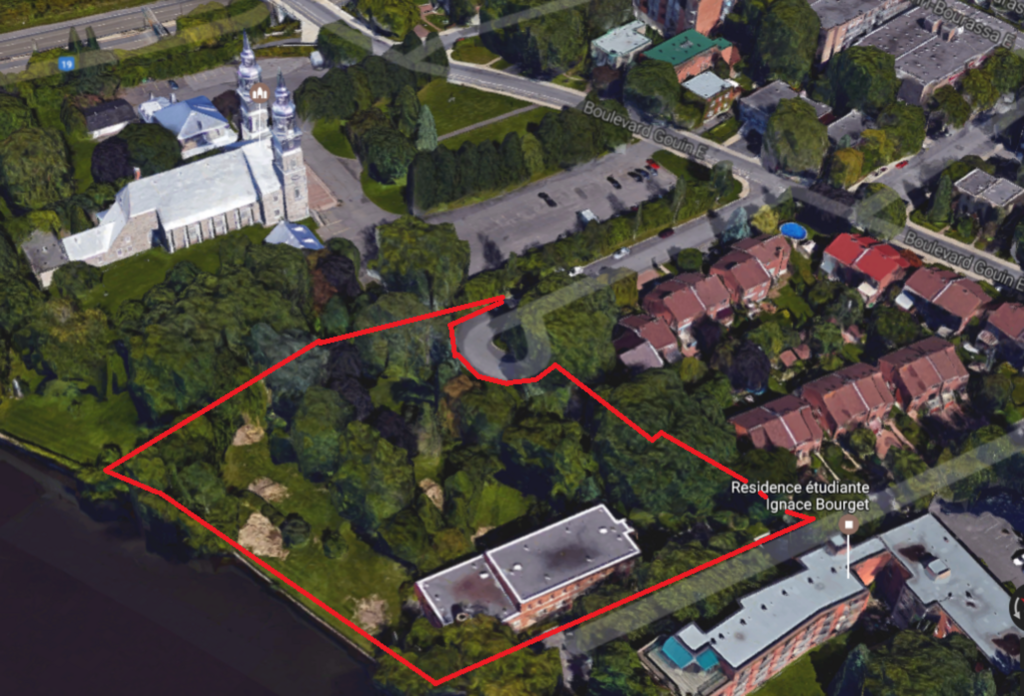
How can a site of such exceptional natural beauty, a rare environmental treasure in the heart of an urban area, and one that is also located within the protected area of a heritage property, become the target of real estate development without these same authorities having taken action? At present, I fear that the developer involved may also succeed in navigating the system and obtaining approval for the demolition of a building officially designated as a heritage property. I am grateful for the involvement of the Société d’histoire d’Ahuntsic-Cartierville (SHAC) in this matter. The organization has become a driving force behind an emerging citizen opposition movement seeking to return the building and property at 12375 du Fort-Lorette to the community, where they rightfully belong.
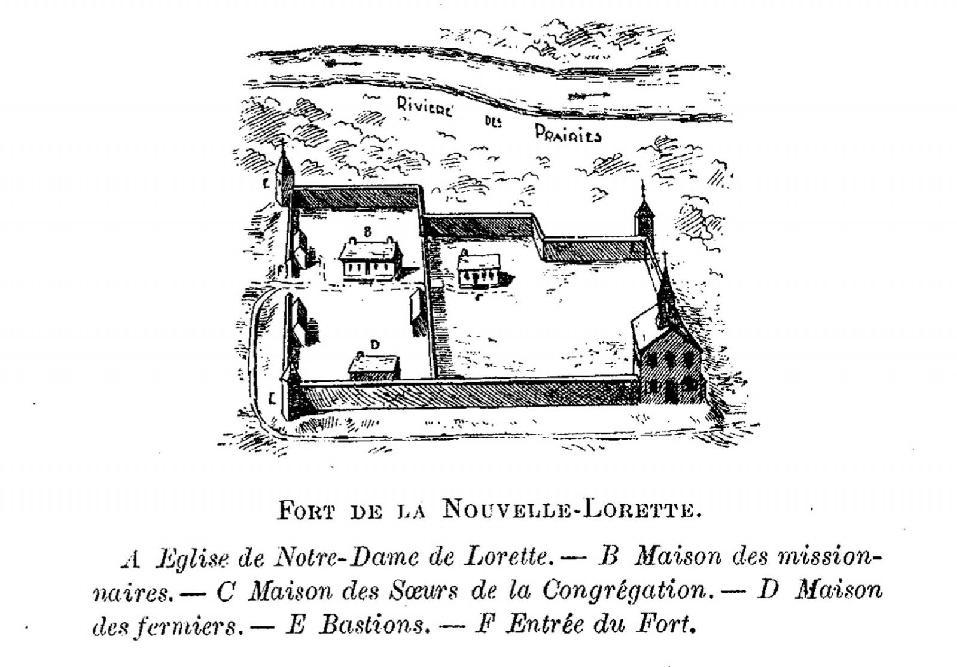
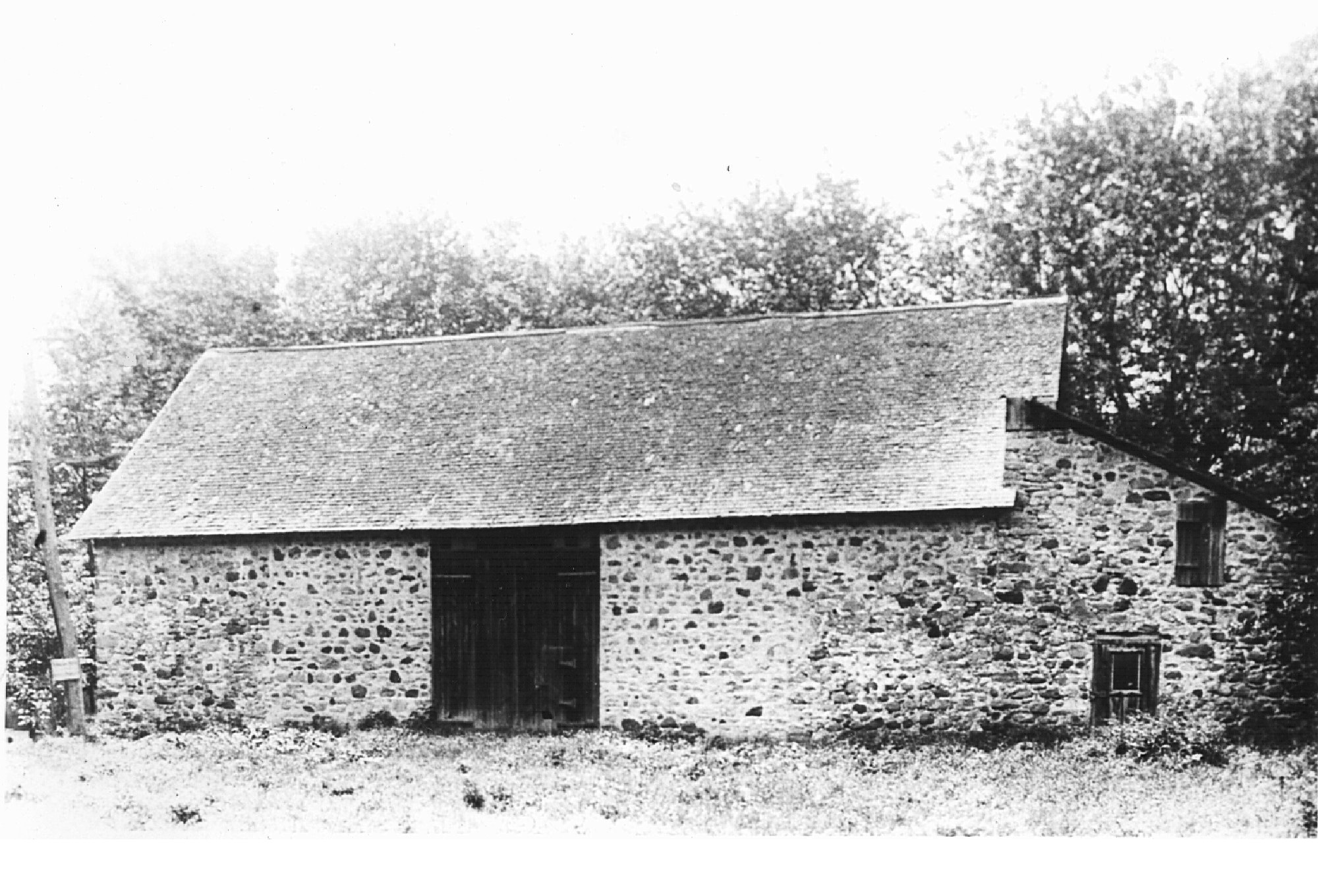
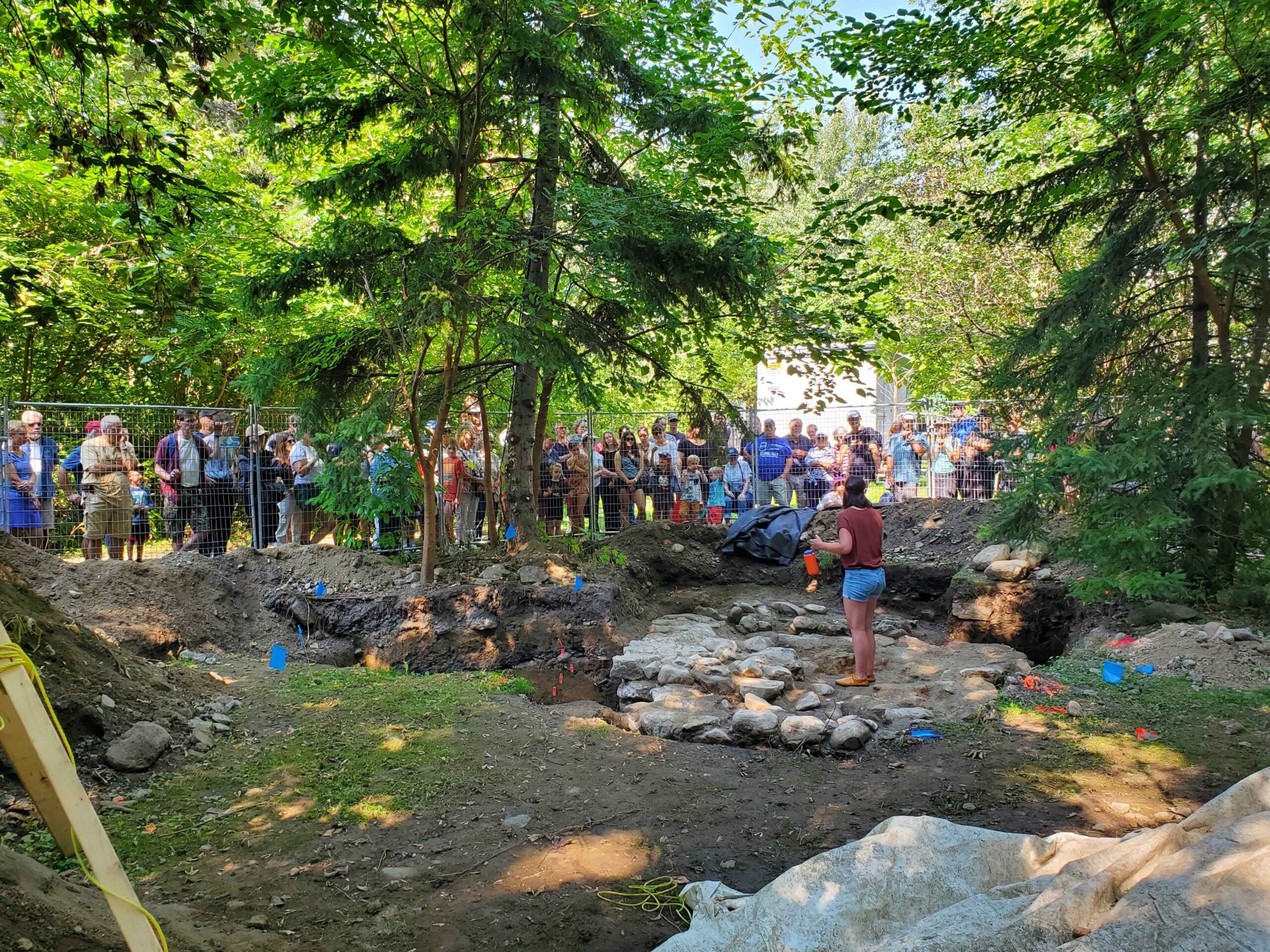
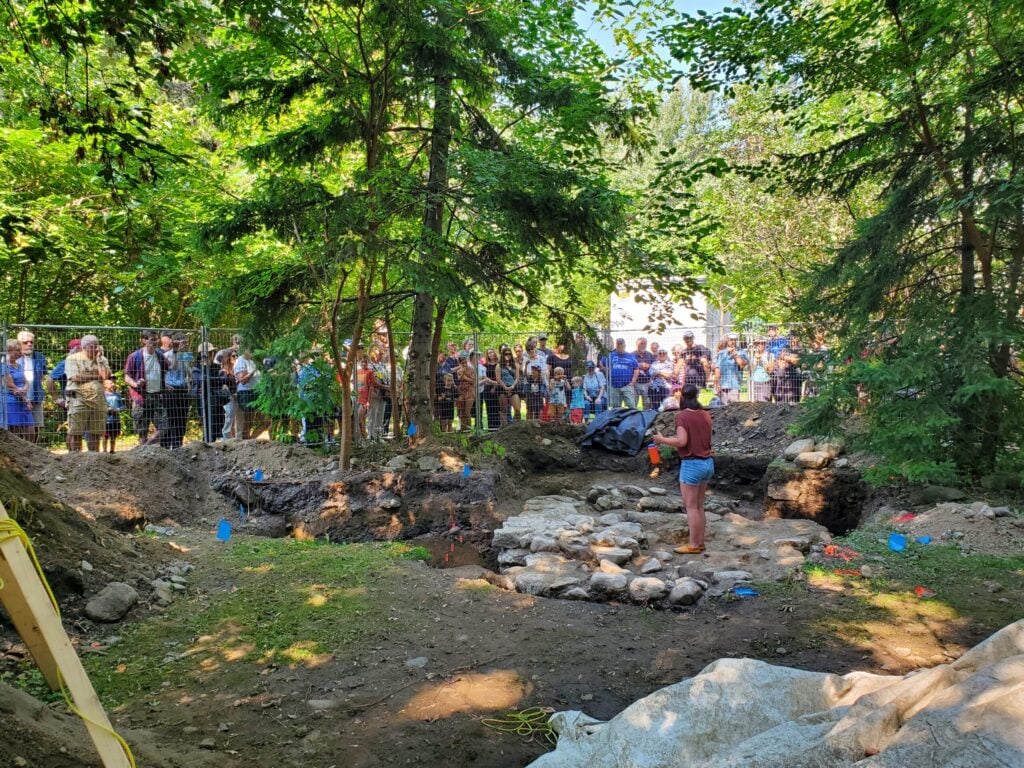
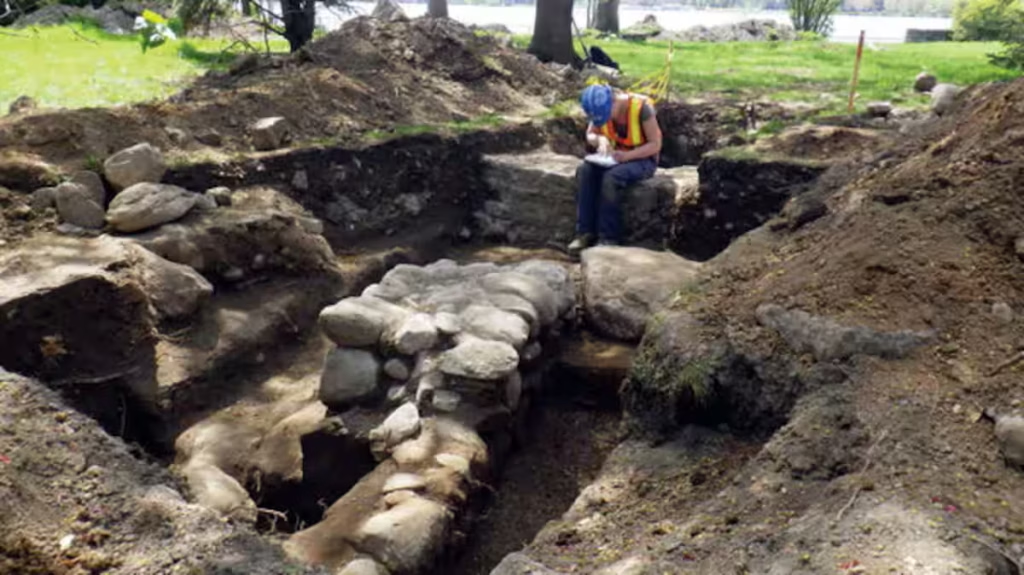
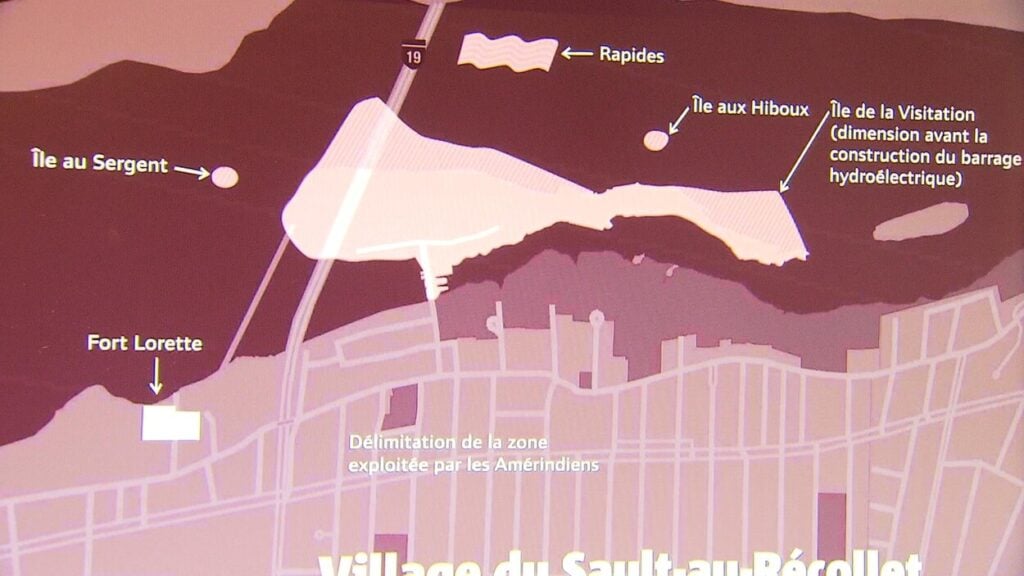
The property, formerly owned by the Sisters of Mercy, was sold to a developer in March 2017. In July 2017, the City of Montréal imposed a land reserve on the site. That same year, Québec’s Ministry of Culture and Communications commissioned the firm Keos to conduct archaeological excavations. These uncovered trenches aligned with former palisades, masonry remains and artifacts that may be associated with the fortified Fort Lorette mission, occupied by the Sulpicians until the early 18th century. The preliminary report also highlighted the site’s considerable heritage value, owing to its age, rarity and the integrity of its archaeological remains.
In 2018, the City of Montréal purchased the property, and the site was officially designated as a heritage site. Plans are now underway to create a public park showcasing its heritage significance. A series of public consultations took place in 2019, 2020 and 2021 to develop a landscape design plan in collaboration with residents and local organizations. Archaeological work began in 2021, and the discoveries will be incorporated into the site’s future development.