The garden is the work of Brother Marie-Victorin, a renowned botanist designated a national historic person, who was the heart and soul of this ambitious project. He carried it out with Henry Teuscher, a horticulturist, botanist and landscape architect who drew up the original plans. Together, they set out to create an “ideal botanical garden” that would combine aesthetic, scientific, educational and social functions. In 1938, Brother Marie-Victorin founded the École d’apprentissage horticole on the site.
With some 22,000 plant species and cultivars, about 10 large exhibition greenhouses, some 30 thematic gardens and a vast 40-hectare arboretum, it ranks among the most important botanical gardens in the world. Its treasures include a rose garden with more than 10,000 specimens, a 3,000-orchid collection, bonsai and penjing, as well as the Marie-Victorin Herbarium, whose specimens represent 99% of Quebec’s flora.
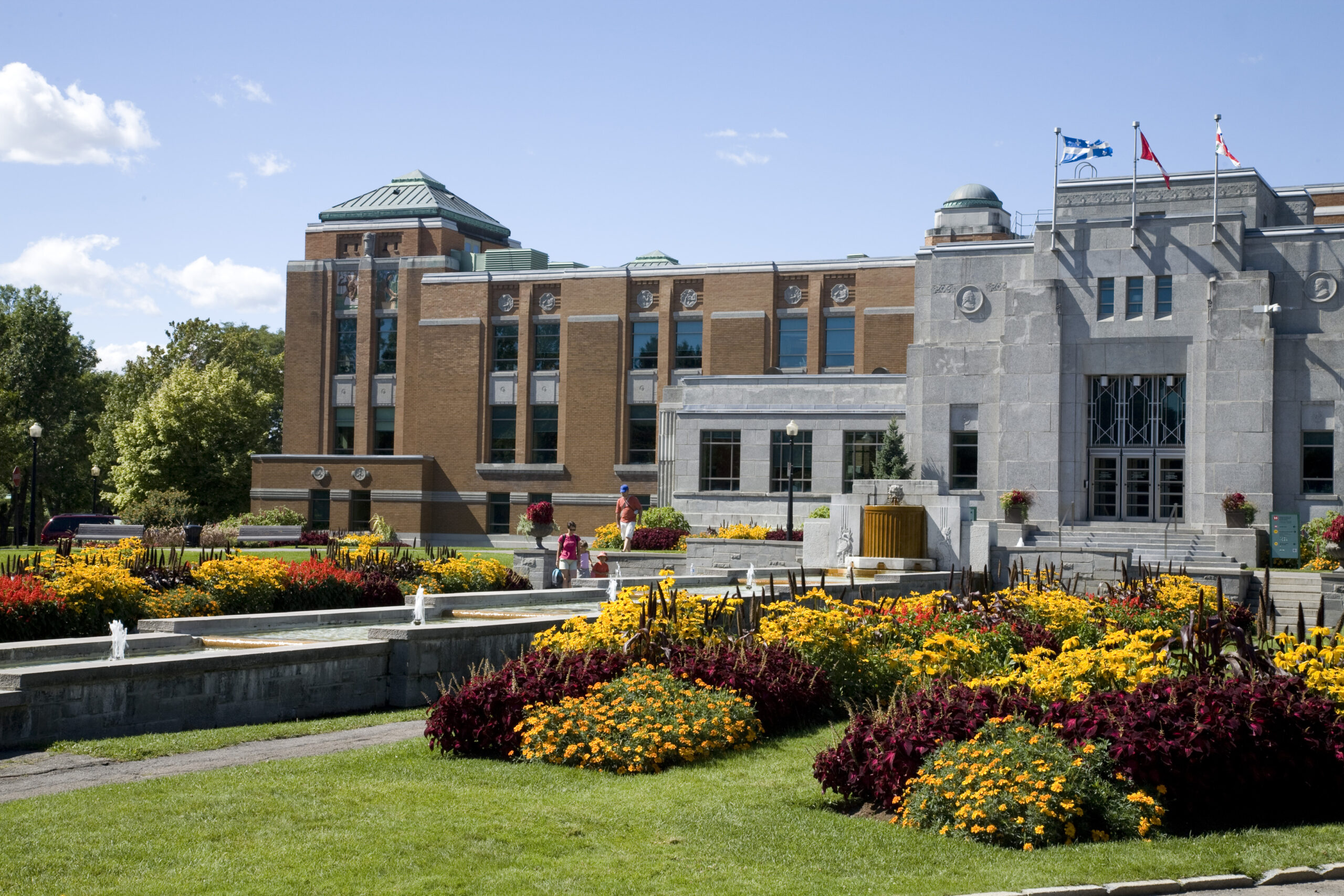
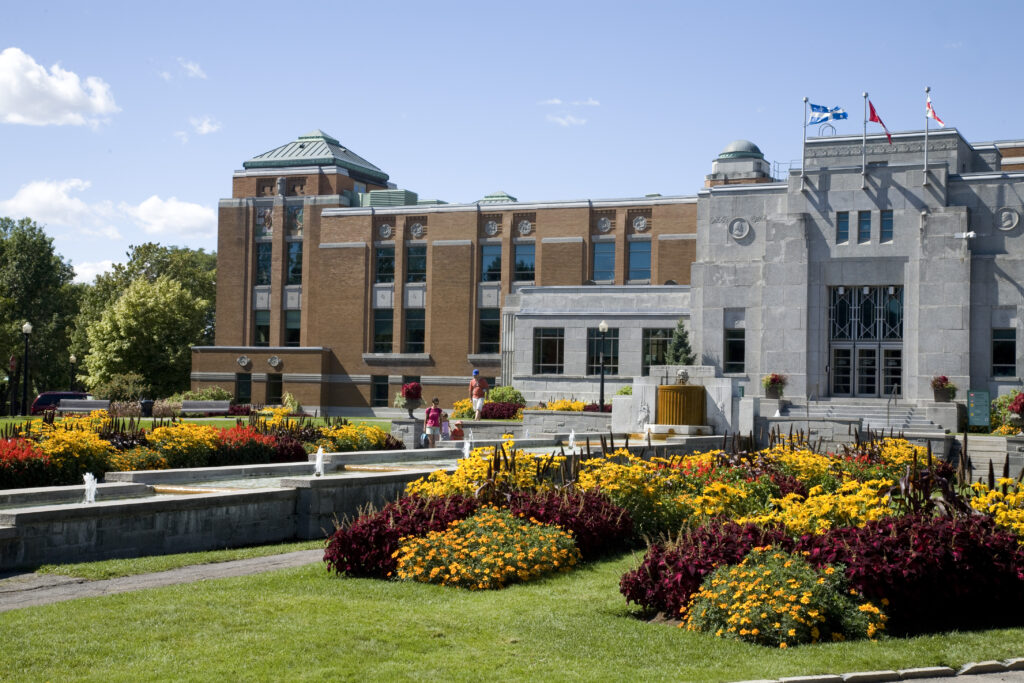
The site blends a variety of influences: the Beaux-Arts and Art Deco styles of the “H”-shaped administrative pavilion, the English picturesque spirit of the rose garden, and the Chinese, Japanese and First Nations gardens. Pools decorated with beaver and heron motifs evoke the natural heritage of Quebec and Canada.
True to its founders’ intentions, the garden has evolved harmoniously and remains dedicated to research, conservation, presentation and education.